HAPPY VEG
  • The Happy Veggie
  • Recipes
  • Animal News
  • Bypass or Buy?
  • My Personal Blog
  • Kitchen, Veggies, and Health
  • Archives
  • VIDEOS


​Animals are friends, not food

Sweden Ends Mink Breeding Through 2021

1/30/2021

0 Comments

 
​worldanimalnews.com/breaking-sweden-shuts-down-the-mink-industry-in-2021-to-stop-the-spread-of-covid-19/
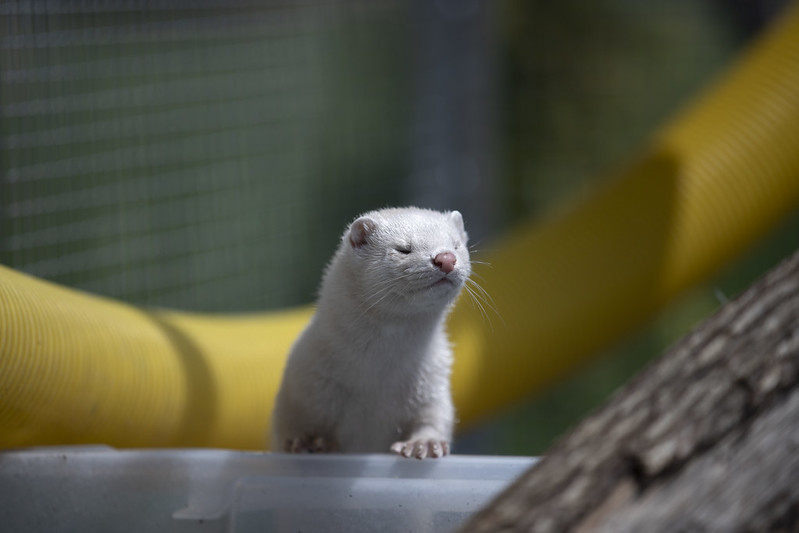
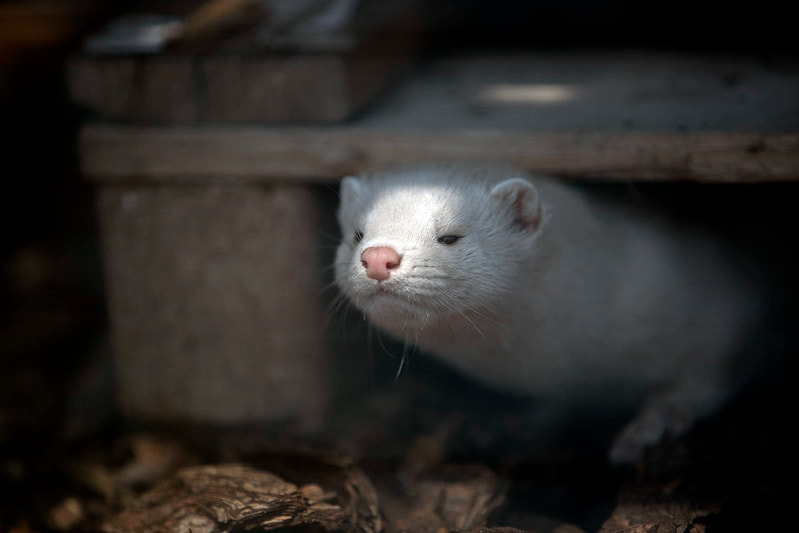
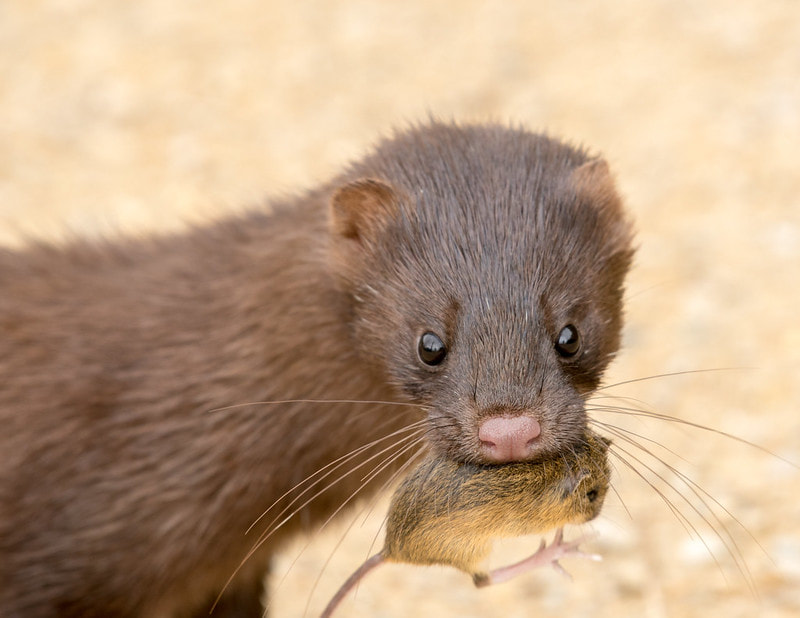
Following Denmark's announcement that they were banning mink fur farming until the end of 2021, Sweden has announced similar plans in an effort to curb covid-19, after outbreaks affected 12 fur farms across the nation. The ban will affect breeding of mink, but farmers are permitted to keep the mink they currently have. 
Denmark's handling of the ravaged mink fur industry was disastrous and received negative world wide attention. There was the euthanasia of anywhere between 15 and 17 million mink as a precaution that led to mass burials. These mass burials were so poorly planned that when the massive piles of mink started to release gas, they appeared to be coming up from beneath the ground. Obviously, from an environmental standpoint, this was an absolute nightmare with the potential for serious environmental impacts but just the sheer magnitude of mink culled and rapidly buried was a disaster. 
Picture
While animal advocacy groups are applauding this decision as a sign that the mink fur-farming industry is over with, I believe it is too early to tell. There has been overwhelming evidence over the years of the cruelty fur-farmed animals endure during their brief lives and nothing stopped the industry. There has been undercover investigations that have turned up serious instances of cruelty and yet the industry not only survived, but continued to thrive despite continued public support for a ban on fur farming. While this particular situation and its magnitude would probably be the biggest hurdle the fur industry has faced thus far, their resilience in the past has proven to be quite frustrating.

What I truly hope comes from this is the recognizance that the fur-farming industry is incredibly feeble and can really be a breeding ground for disease and virus transmission. We learned that mink not only caught the virus, but mutated it and transmitted it back to humans rapidly. We learned that the only solution to protecting humans was to cull 15 million living creatures rapidly. Knowing all of this and recognizing that they would be starting from square one, I'm really hoping that this is an eye-opening experience. I'm hoping that every country across the globe that continues to participate in fur-farming sees this as a sign that we must end this barbaric industry once and for all.

So much money and so many innocent lives were lost this year because of the covid pandemic. What kind of a guarantee is there truly that this will never occur again? What will we have learned if we witness this kind of devastation within the industry again? My thoughts are that the industry needs to cut their losses and look for grants and subsidies to transfer over to other eco-friendly farming opportunities. As I said, more and more people are expressing their discontent over the fur industry and I can only see this increasing as time goes on. This is an opportunity to cut ties with an industry that has profited off of the suffering of animals that are bred for nothing more than fur trims.

What do you guys think? Is this truly the end of fur, or is there still a fight to be fought?

HAPPY VEG
0 Comments

California & Banning "Sport Hunting" of Black Bears

1/28/2021

0 Comments

 
​worldanimalnews.com/urgent-action-needed-to-support-newly-introduced-bill-that-would-ban-sport-hunting-of-black-bears-in-california/
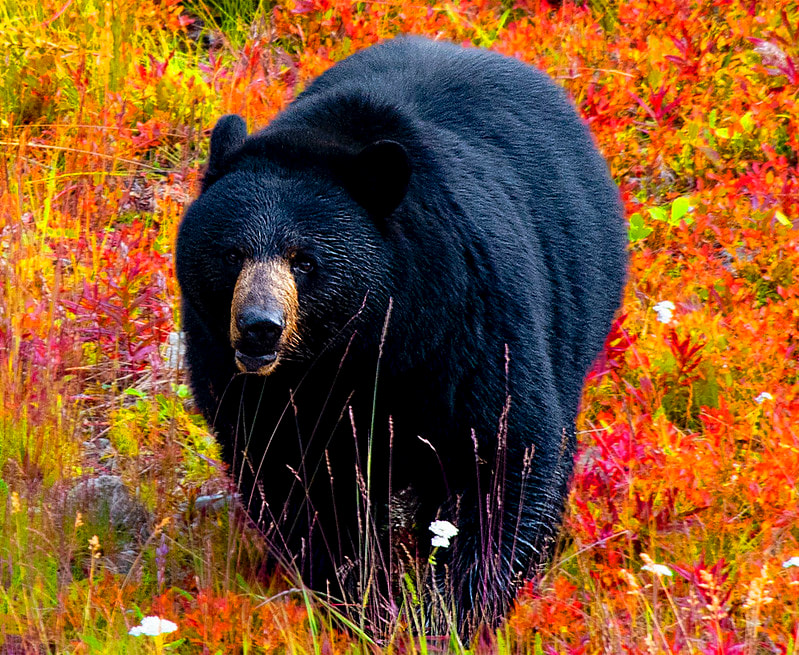
Democratic Senator Scott Wiener introduced the "Bear Protection Act", a bill that would effectively ban the sport hunting of black bears throughout California. The bill is sponsored by the Humane Society of the United States and supported by 62% of Californians surveyed who would like to see black bears protected from sport hunting.
Picture
The California Department of Fish & Wildlife currently permits 1,700 black bears to be slaughtered in a single season. While black bear populations have slowly rejuvenated, they are nowhere near the historically 2 million black bears that once roamed the wooded areas of North America. In fact, factors like climate change and habitat loss have helped to dwindle the black bear populations, and sport hunting is obviously contributing to that decline. Remember, at one point in our history, there were millions and millions of every animal that is now facing extinction, and we have pushed them to that point.
If the bill passes, it will effectively end the "sport" hunting of black bears throughout the state but would still allow slaughter of black bears if;
  • there is a livestock conflict or human safety concern
  • there is an endangered species at risk
  • there is potential risk of property damage
  • for scientific purposes
California has currently banned the use of hounds for hunting of bears and bobcats, the hunting of mountain lions and bobcats, and recreational trapping of wildlife. If they pass this bill to ban the sport hunting of black bears, they will be the first state in the nation to do so, once again setting the bar high for other states and their animal welfare laws. 

As I mentioned earlier in this post, there were millions and millions of every single species that is now facing extinction. Millions of elephants, lions, jaguars, snow leopards etc., and humans have contributed to all of their perils leading to endangerment. You see, while there may be a plentiful amount of black bears now, if we don't address the perils they are quite obviously facing, their numbers will undoubtedly drop. History has shown us what our actions have done to animal populations across the globe, can we truly be so naïve to think that black bears are any kind of exception? Do we honestly believe that our actions will not catch up to us at some point and black bears will suddenly disappear?

We have to stop permitting the hunting of wild animals for sport. Regardless of the species and how plentiful their populations are, if we're running around shooting and killing them at will while they continue to face habitat loss due to wildfires, how long do we expect that their population will remain healthy? We have to stop contributing to the perils wild animals face in the wild when they are already up against unprecedented challenges. As I said, every single animal on our planet was at one point plentiful until we pushed them to near extinction.

This bill must pass. Black bears contribute to a healthy ecosystem and if we continue to slaughter them for sport, we are manipulating an ecosystem that will have adverse effects on the remaining wildlife. We know this, we've seen what we've done to Africa's wild animals. Enough is enough here folks, stop the killing for sport and funnel some of that energy and aggression into protecting our planet's most vulnerable before they disappear forever.

HAPPY VEG
0 Comments

North Carolina Court Rules in Favour of Red Wolf Release

1/26/2021

0 Comments

 
​worldanimalnews.com/breaking-court-rules-that-the-last-seven-critically-endangered-captive-red-wolves-must-be-released-into-the-wild/
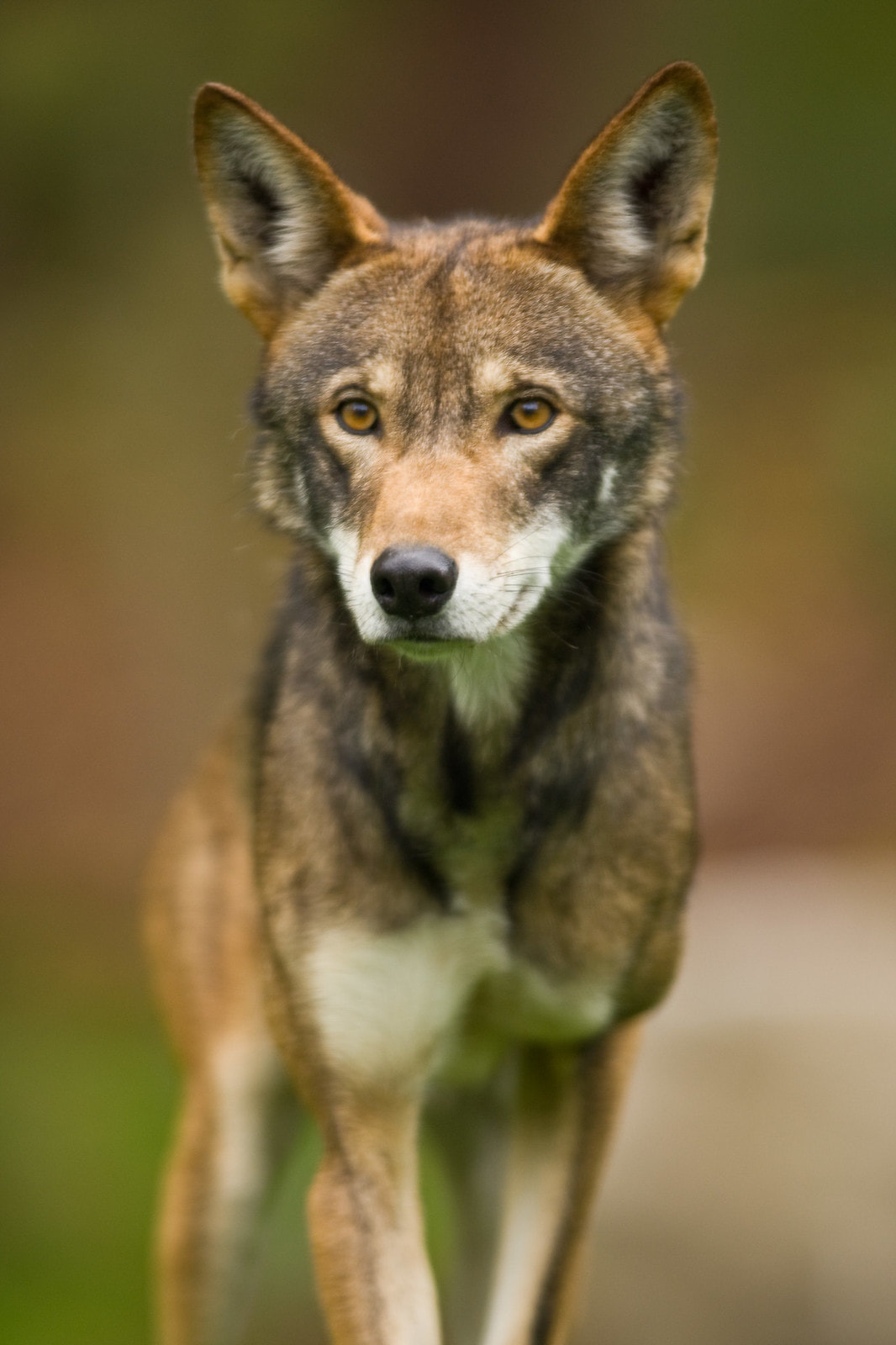
A court ruled that the U.S. Fish & Wildlife Services must develop a plan by March 1, 2021, to resume it's successful red wolf reintroduction plan. The longstanding and once successful practice of breeding red wolves in captivity and releasing them into the Red Wolf Reintroduction area in north Carolina was determined to be detrimental as red wolf populations in the wild are at a critically low 7 individuals. This comes after repeated lawsuits from Conservation & Animal Welfare organizations to force the U.S> Fish & Wildlife Services to act before it's too late.
The U.S. Fish & Wildlife Services had implemented a policy that was barring them from releasing the wolves, but the court overturned that policy, forcing them to address their lackluster red wolf management as red wolves teeeter on extinction in North Carolina. It is hoped that their reintroduction program will commence rapidly as red wolves have so little time to left to fight for their survival. The release of these wolves would strengthen the red wolves gene pool, allow for much needed breeding, and hopefully bring these beautiful animals back from the brink of extinction.

One of the most frustrating aspects of conservation is that not everyone sees the necessity or urgency in protecting vulnerable species. Even more frustrating that an organization tasked with the recovery, protection, and rehabilitation of endangered species seems to only be ready for action after countless lawsuits from organizations that truly care for the survival of these species. How can we trust that our planet's most vulnerable are being looked after when it's lawsuits that motivate them to act?
Picture
The U.S. Fish & Wildlife Services often seems to be working against its own motives. The USFWS is designed to manage wildlife populations and yet we are looking at the decimation of red wolves while they await lawsuit after lawsuit, prompting them to act. I have absolutely no faith in this organization any longer, after 6 years of reporting on animal welfare, I don't see the USFWS truly having the survival of endangered species as a priority. They've been caught pandering to the livestock industry at the expense of endangered or vulnerable animals, failing to offer protections to species that are so very clearly on the path to extinction, and have such a slow moving, lackluster approach to wildlife management, even in the face of eventual extinction. 

My only hope is that it is not too late for red wolves. While there may be captive ones ready to be released, it's clear through the post that this was done before. While it may have been successful, it's also clear that the USFWS failed red wolves by allowing their populations to once again dip to a dangerously low level. This forced reintroduction must be followed up regularly to ensure that red wolves have a fighting chance at survival. Time is of the essence when we're discussing extinction, and the USFWS must act aggressively and swiftly if they intend to actually help red wolves before it's too late.

HAPPY VEG
0 Comments

Scientists : Global Drop in Animal Population

1/21/2021

0 Comments

 
​www.bloomberg.com/news/videos/2021-01-20/scientists-sound-alarm-on-global-drop-in-animal-population-video
A new report that surveyed approximately 4, 392 species, determined that our planet's population of animals has nose dived by 68% in the past 50 years. This alarming revelation also made it abundantly clear that if we do not make drastic changes, this trend will continue until we witness the mass extinction of our planet's most beloved species.

Among the most disastrous issues plaguing our planet;
  • OVERFISHING - Unsustainable fishing is destroying the ocean's wildlife. Not only do the targeted fish get trapped in these nets, but endangered species like tortoises, cetaceans, and sharks end up tangled in these nets, ultimately dying. Our rapid decimation of the ocean's resources will have an irreversible effect on the remaining underwater wildlife.
  • INVASIVE SPECIES - When people own exotic pets that inevitably end up discarded in the wild, it causes disastrous effects on the species that inhabit that ecosystem. All it takes is one species that doesn't belong to truly disrupt the balance of a healthy ecosystem. 
  • CONTINUED DEVELOPMENT - Our continued growth and expansion is taking away much needed land from imperiled species. If we continue to grow this rapidly, we will help along the extinction of some of our planet's most in danger species. It is not only our continued growth in terms of population, but our continued growth of animal agriculture which not only takes massive amounts of land and resources from wild animals, but causes wildlife / livestock conflicts that result in wildlife slaughter.
  • CLIMATE CHANGE - We cannot deny that our planet is warming and with that, brings disastrous results to wildlife. If our planet continues on down this path of continued rising in temperatures, arctic wildlife will be put further in danger of extinction. Without arctic sea ice, polar bears will continue to be fragmented and forced to look further in land for resources, causing continued human conflict. Climate change is furthering along the decimation of our forests and rainforests as well with a noted increase in devastating forest fires. 
  • OVER HUNTING - There are so many examples of species that humans have hunted to extinction. Whether it's hunting for food, sport hunting, or trophy hunting, we are talking about the continued slaughter of our planet's wildlife. We are in the middle of an extinction crisis and yet hunting continues to be permitted and celebrated despite evidence that we are destroying our planet's wildlife. 
Other alarming statistics included a drop in wildlife by nearly 94% in the tropical Americas in the past 50 years and a reduction in noted wildlife populations in or around freshwater have dropped by 84%. These statistics should serve as a serious wake-up call, that if we do not address the serious perils wildlife face, we could see the mass extinction of our planet's species within the next 50 years. Can you imagine a world without elephants, lions, sharks, or polar bears? The reality is, we are headed in that frightening direction.
Picture
We must immediately start to designate more of our land as conservation / protected lands. We must address the overfishing and overhunting of our planet's wildlife. We have the stats, we know they're dying off, we must do something about it. 

When it comes to extinction, we're talking permanent. There's no going back from the extinction of our planet's most recognized and imperiled species. Time is of the essence and we have no time to waste in protecting our planet from inevitable disaster. 

HAPPY VEG
0 Comments

Judge Blocks LA Development That would Have Threatened Wildlife

1/15/2021

0 Comments

 
​worldanimalnews.com/breaking-wan-talks-to-conservation-nonprofit-after-judge-blocks-los-angeles-development-that-would-have-threatened-local-mountain-lions/
An LA Judge denied a proposed 1, 300 acre Northlake development, stating that there weren't less environmentally harmful proposals considered through reviews. The development would have seen 3.5 miles of Grasshopper Creek levelled, a pristine stream that flows into California's last free-flowing river. The proposal would have put local wildlife like Western Spadefoot Toads and Mountain Lions in further danger of extinction, among other perils contributed by this development. 

The original proposal was drafted in 1992 and according to Dan Silver, Executive Director of the Endangered Habitats League, was poorly planned at the time. Against today's environmental concerns and the fact that we are in the throws of an extinction crisis, the proposal was especially negligent to the perils of wildlife in California. 
“When a water system is removed, it pulls the plug on the whole ecosystem,” 
Dan Silver, Executive Director of the Endangered Habitats League
Picture
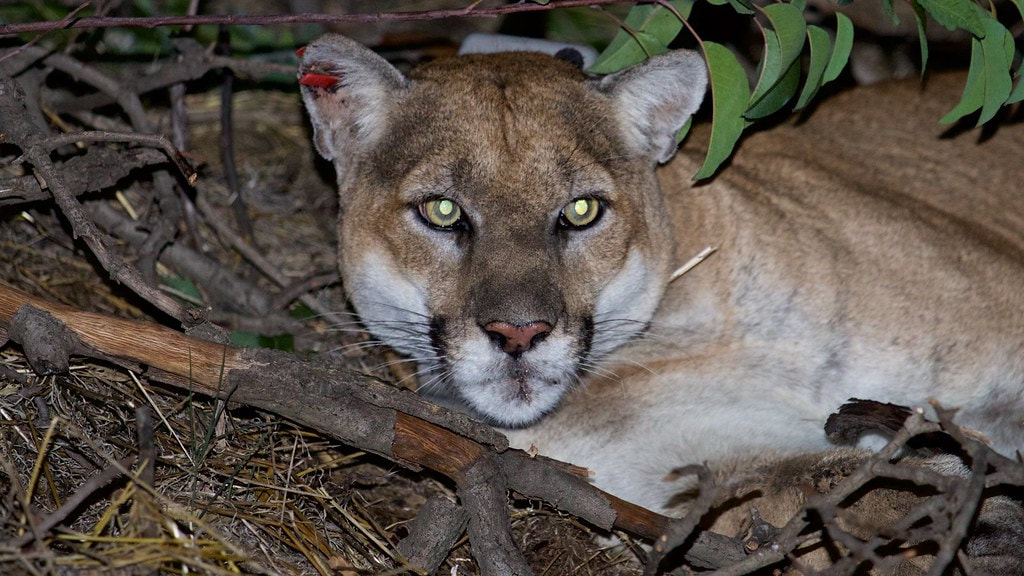
Much like the proposed arctic oil drilling project that was denied, these organizations rarely investigate properly the environmental impact of their said developments, overlooking the inevitable damage and irreparable impacts of these developments on local wildlife. In this case, the development would have demolished a creek in a fire-prone area as well as block off a wildlife crossing heavily used by mountain lions. These crossings are designed to keep wildlife safe from traffic collisions and blocking it off would undoubtedly lead to further mountain lions being involved in collisions.

These proposed developments cater to humans and our salacious need to continue to grow in search of resources. This continued desire to expand is what is contributing to the habitat loss of some of our planet's most beloved species. In fact, habitat loss is one of the leading contributing factors in almost every case of animal endangerment. It's impossible to overlook the impact our development in these untouched lands would have on wildlife, unless of course you're the one trying to build these projects.
Every single species is crucial to another species' survival in an ecosystem. Every animal, plant, and insect, contributes to the healthy balance of an ecosystem. When we start manipulating these ecosystems through development, we set in motion a downward spiral of events that lead to perils for local wildlife. Without mountain lions, prey animals become abundant which leads to excessive plant and fauna consumption, disrupting the natural balance. An ecosystem is designed to cater to all species and when that balance is disrupted, the inevitable outcome is that species suffer to the point of extinction.

I'm grateful that this proposal was denied. I'm grateful that the judge was able to recognize the serious environmental impacts of this development. Sadly, this is not always the case. We must continue to speak out against developments that put our planet's species at risk of extinction. We must call out the greed of these organizations who would destroy a habitat for human gain. We are in the midst of an extinction crisis and all roads lead back to us. Every decision we make regarding this planet is contributing to the decline of our planet's health. We need everyone on board with the importance of conservation and protecting lands where endangered animals are trying to survive. 

HAPPY VEG
0 Comments

135 Groups to Joe Biden - Declare the Extinction Crisis a National Emergency

1/9/2021

0 Comments

 
​worldanimalnews.com/135-groups-call-on-president-elect-joe-biden-to-sign-an-executive-order-declaring-the-end-extinction-crisis-a-national-emergency/
President-elect Joe Biden is being presented with an Executive Order that would declare the extinction crisis a National Emergency. This order would give Biden the power to take aggressive action to protect imperiled wildlife and the environment without really needing congress' approval under the National Emergency Act. According to a recent study by the International Union For the Conservation of Nature (IUCN), it is estimated that 27% of the world's evaluated species face the possibility of extinction if extreme and stringent measures are not taken immediately.
To think that over a quarter of the evaluated species on our planet face extinction, there is no greater alarm being sounded that we must take aggressive action. If Biden were to sign this order, the following would be launched;
  • 30% of US Lands are conserved by 2030 and 50% are conserved by 2050
  • Declare the Extinction Crisis a National Emergency giving immediate powers to enact aggressive protections
  • Crack down on the illegal wildlife trade by imposing sanctions on nations that do not address the wildlife trade / deforestation appropriately
  • Create 175 new National Monuments, National Wildlife Refuges, and Marine Sanctuaries
  • Federal Agencies must include Climate Change in the recovery of endangered species
Picture
While I am unsure of the full scale of the executive order and exactly what it would entail, one thing missing from this order that needs to be addressed, is the legal slaughter of wild animals that are in danger of extinction. Trophy Hunting, the single most disrespectful and manipulative activity plaguing our planet's endangered species. Why are we catering to hunters who need the thrill of stalking and slaughtering the most beautiful animals on our planet while crying out that those very animals are facing extinction? The stench of hypocrisy is overwhelming here and has been for as long as we've known that these animals have faced increasing perils in the wild.

Trophy hunting must be banned. They aren't shooting deer, they're shooting and killing giraffes, leopards, lions, elephants etc, animals that are in grave danger of extinction. Why are we allowing the import of trophies from endangered animals? Even more so, why are we continuing to allow trophy hunting at all? What justification can we honestly have for allowing such an atrocity to continue when we have enough information to know that these animals are in trouble. It sickens me that having enough money will buy you the right to put a bullet in the head of an animal that is in grave danger of extinction.

This Executive Order must be signed by President-Elect Joe Biden. As I stated, we need aggressive action to protect our planet's most imperiled species. These animals don't have time for us to vote on whether they deserve to be protected, they need protections now. If we do not move forward with ambitious and immediate action to protect endangered species, we will undoubtedly see the extinction of some of our planet's most beloved and recognized species.

HAPPY VEG
0 Comments

2nd Mink Fur Farm in BC Canada Experiencing Outbreak of Covid

1/6/2021

0 Comments

 
​www.msn.com/en-ca/news/science/b-c-mink-farmer-decides-to-destroy-1-000-animals-after-positive-covid-19-tests/ar-BB1cv13a?li=AAggXBV
A second mink fur farm in British Columbia Canada, has made the decision to euthanize the remaining 1, 000 mink on the farm after a continued outbreak of the coronavirus. Although the Fraser Valley breeder was not instructed to do so, the decision was made after several mink had tested positive for the virus. This is the second fur farm in British Columbia experiencing an outbreak in a string of fur farms across the globe euthanizing mink after outbreaks. 
Picture
While this isn't the worst of the outbreaks on our planet, it is yet another example of why mink fur-farming is an industry that needs to go. It is wholly evident that mink fur-farms are incredibly susceptible to virus outbreaks. It was also reported that the mink were mutating the virus and were able to transfer the mutated virus back to humans, potentially causing an issue with vaccinations. This evidence proves that mink fur-farms are unsafe and put both humans and mink in grave danger of becoming infected. Secondly, it puts mink in grave danger of mass euthanizing to prevent transmission. 
The worst of these outbreaks occurred in Denmark, Europe's top producer of mink fur. After a mutated form of the virus was discovered in mink, the decision was swift to euthanize over 15 million mink, decimating the mink fur industry in the country. It also lead to a complete ban on mink fur-farming until the end of 2021, dashing any hopes of rebuilding the industry immediately. Complications from the mass euthanizing and burial of mink have caused serious environmental concerns among other issues. These decision to euthanize were hurried to protect humans but never once took into consideration the devastation the mink themselves endured.

We cannot overlook the facts in this situation, and that is that these fur farms are a cesspool for virus development and transmission. Outbreak after outbreak demonstrates a clear flaw in the industry, one that puts both mink and humans at risk of serious illness. How can we ignore that these fur farms are being ravaged by this virus? How can we ignore that there is a possibility that this could happen again? While this pandemic has been one of a kind in my lifetime, it doesn't mean it won't happen again and when it does, mink fur-farms will feel the effects.

We need to take this as a learning experience, one that hopefully opens our eyes to the dangers of the fur-farming industry and complete lack of necessity for fur. Millions of dollars and millions of mink were lost this year, this should be what motivates us moving forward to end mink fur-farming once and for all. The resources needed to rebuild an industry that has suffered so tremendously because of this pandemic will be astronomical. We need to look at how quickly this industry can be taken down and recognize that not only is it unnecessary, but it's a financial risk to continue. Funnel the resources intended to rebuild the industry to other farming initiatives and end fur-farming. 

We have enough evidence now to know better. We have enough proof that mink fur-farming is dangerous and frankly, a ticking time-bomb. We now know the potential for disaster and just how devastating that can be. We have to learn from this and recognize that we must ban fur-farming or we will undoubtedly see this happen again and the mink will be the ones who suffer the most. If we rebuild this industry after the devastation it endured, we deserve every horrible outcome that comes our way because of it.

HAPPY VEG

0 Comments

California Law Restricting Rodenticides Began January 1st 2021

1/5/2021

0 Comments

 
https://worldanimalnews.com/new-california-law-protecting-animals-from-super-toxic-rat-poisons-takes-effect-beginning-of-2021/
California's wildlife will be protected from the unnecessary toxic effects of rodenticides after a law heavily restricting them came into effect as of January 1st, 2021. The law heavily restricts the use of anticoagulant rodenticides and tasks state regulators with managing threats to non-target animals before any restrictions would be lifted on these rodenticides. This law will hopefully help to protect the many non-target animals that have endured the toxic effects of these rodenticides despite being unintended targets.

“Anticoagulants kill the very wildlife that help us control rats and mice. California is taking a giant step to reduce secondary poisoning and towards a sustainable public health solution,” said Lisa Owens Viani, Director of Raptors Are the Solution
Picture
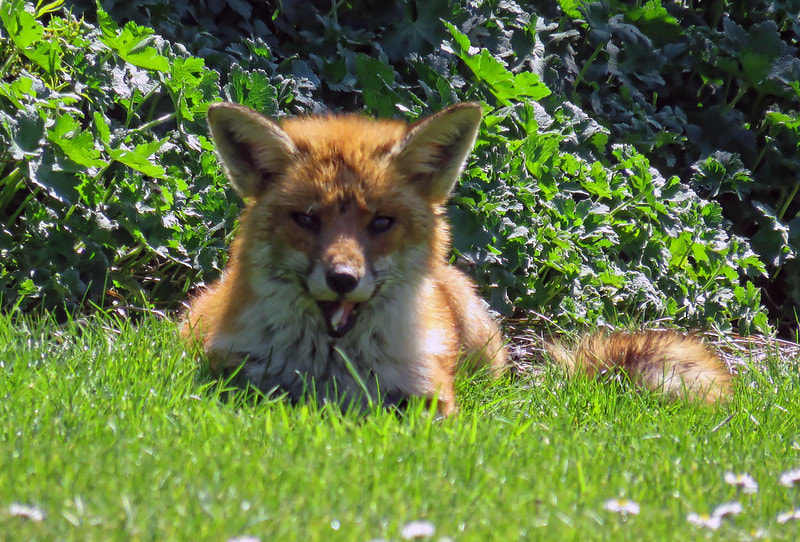
The long-standing issue with the use of rodenticides was the indiscriminate poisoning of non-target species. Species like kit foxes, mountain lions, bobcats, hawks, and spotted owls, were suffering at the hands of rodenticides. Not only were these animals coming into contact with the rodenticides themselves, but they were experiencing second hand toxicity after consuming prey animals that had engaged with the poisons. 

These poisons sometimes take an extraordinary amount of time to finish a rodent off which leaves them susceptible to being attacked by predatory animals. These rodents are then attacked and consumed by predatory animals that then experience the toxicity of the rodenticides. This causes them unimaginable suffering that can last for days before ultimately killing them. As I've stated many times before, a healthy ecosystem requires a healthy amount of both predatory and prey animals to thrive, and if we are killing off the predatory animals, there will be an imbalance that affects the ecosystem.
Rodenticides are ineffective, indiscriminate, and extremely dangerous. When you consider that there are so many options available for managing rodent populations, there is simply no excuse for the continued allowance of rodenticides. As a quote earlier in this post pointed out, these rodenticides are killing the wildlife that is responsible for managing the rodent population which ultimately means they are working against their purpose. This in itself is proof that rodenticides are incredibly inefficient the ban is appropriate given the circumstances.

As I stated, rodenticides are dangerous, ineffective, and are killing wildlife that are necessary for a healthy, balanced ecosystem. California has made the right decision in heavily restricting these poisons. What we need now is a ban on these poisons across the board. It's time for a blanket ban on rodenticides.

HAPPY VEG
0 Comments

5 Things We Need to do for Animals in 2021

1/2/2021

0 Comments

 
New year, 365 new opportunities to make improvements for animals across the globe. In 2020, we have seen wild animals in circus' banned in various countries across the globe, oil drilling in the arctic denied, and various undercover investigations turning up abuse at slaughterhouses. These have all been reasons for us to celebrate animal welfare in 2020, but there is still so much more work to do. 

Here are 5 things that in my opinion, need to be addressed and done away with in 2021 if we are truly going to commit to animal welfare across the globe.
Picture
TROPHY HUNTING
While millions of species on our planet are plagued with the possibility of extinction, we are still actively promoting the slaughter of endangered animals for sport. Animals like leopards, elephants, lions, cheetahs, and giraffes, are shot dead for sport by wealthy, sick human beings who pay large sums of money for the opportunity to kill a beautiful animal. These trophy hunters and the organizations they join the hunt through continue to claim that these hunts benefit conservation efforts despite this having been proven wrong on many occasions. 

There is no more hypocritical of a statement than to claim that shooting and killing an endangered animal will somehow aid in its conservation. Trophy hunting is a sickness, one that aids in the decimation of endangered species. We cannot continue to claim we are fighting for endangered animals while actively promoting their slaughter.

We must ban trophy hunting of endangered animals. We must ban the import of trophies from animals like elephants, giraffes, and lions, and we must end our war on endangered animals for profit. These things MUST happen in 2021.
ILLEGAL WILDLIFE TRADE
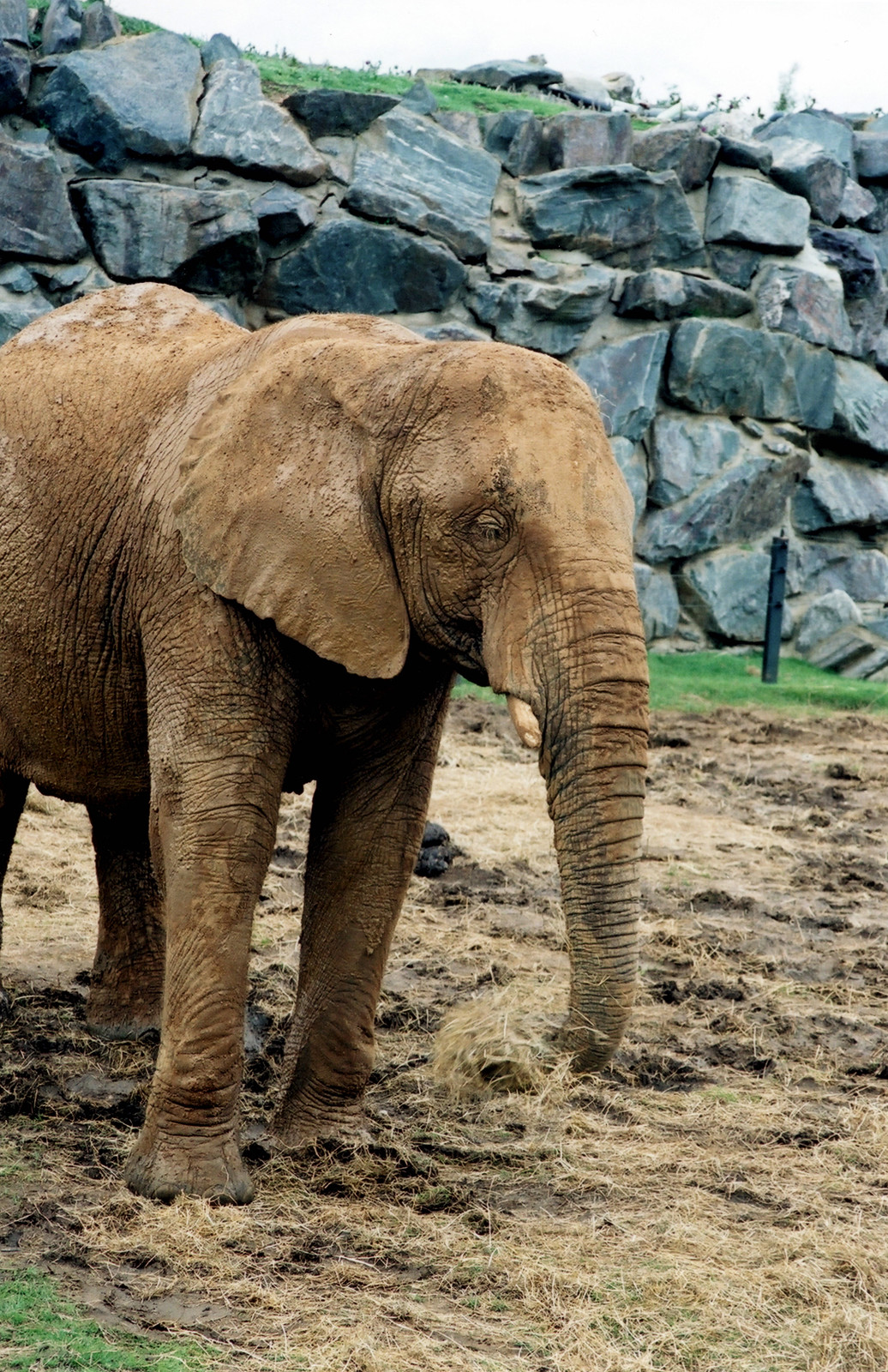
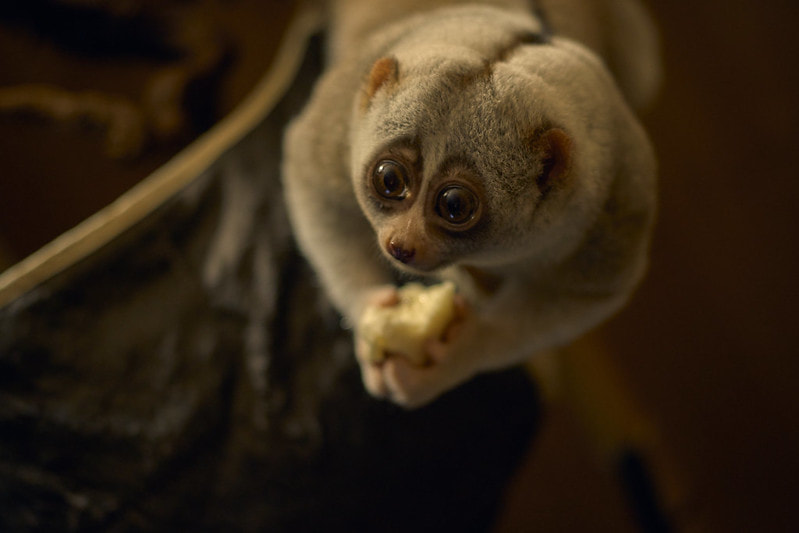
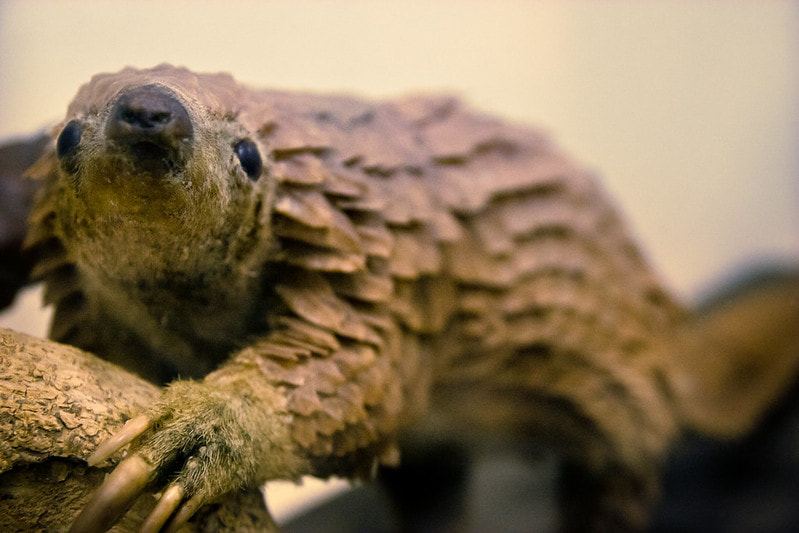
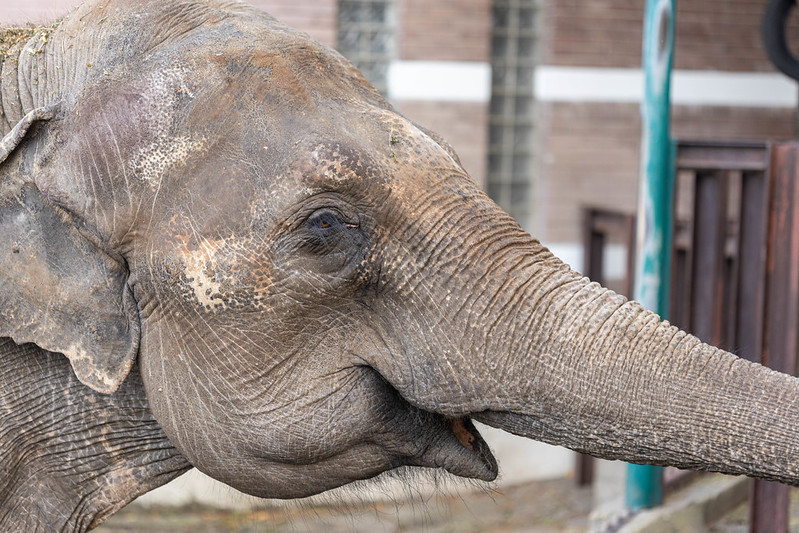
Whether we're talking about wild animals being sold as pets, elephants or rhinos being cruelly slaughtered for their horns, or the heavily trafficked pangolin scales, the illegal wildlife trade is running rampant and animals will go extinct because of it. We need to be doing more to tackle this illegal trade of wild animals and there's a few ways we can address this;
  • Ban the sale of ANY animal deemed a wild animal. This would ban the sale of monkeys, big cats, slow loris', sugar gliders, and any other animal that is not classified as a "pet". Imprison and slap hefty fines on anyone participating in the sale of wild animals.
  • Devalue ivory, pangolin scales, and any other part of a wild animal that is sold on the black market. If they hold no value, there is no reason to search for them. 
  • Ban the import of ANY wild animal parts that come from areas where animals face extinction. This means, no imports of trophies or other wild animal parts from places like Africa where wildlife is plunging towards extinction.
Picture
Picture
Picture
Picture
Picture
BAN FUR FARMING
If 2020 has taught us anything, it's that fur farming is by far one of the most dangerous and exploitative industries on our planet. The covid-19 pandemic this year decimated mink fur farming across the globe as the virus ran rampant through these farms, infecting innocent mink as well as humans. Over 17 million mink were euthanized this year due to the possibility of mutated virus spreading. This is about as big a wake up call as we can be given to demonstrate that fur farming is not only cruel, but incredibly unsafe.

There is no place for fur trims, furry boots, or down filled anything. Synthetics have come to a point that we can essentially mimic any texture available to us so there's no excuse for the continued exploitation of innocent animals who suffer tremendously in the fur industry. It's time to ban the production of fur  across the globe before another virus wreaks havoc.
WET MARKETS
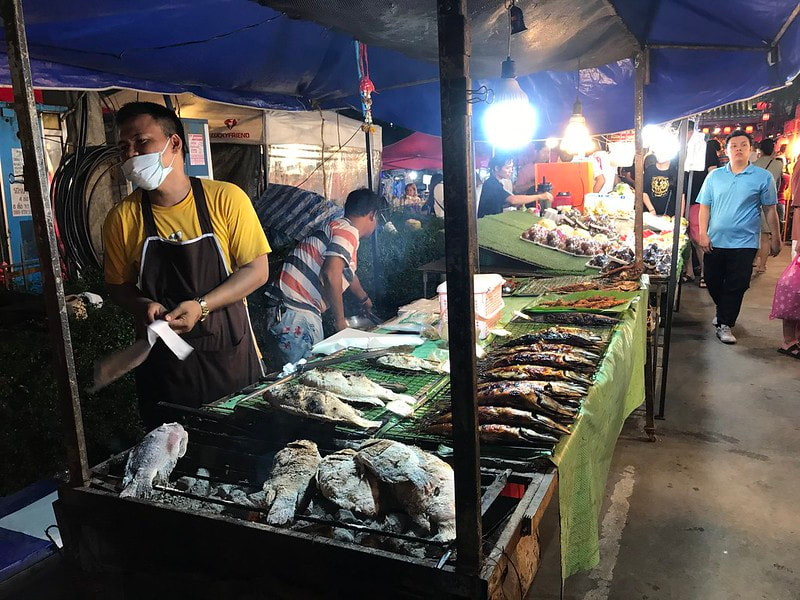
Whether or not the covid-19 virus stemmed from wet markets in China as it has been reported, it's clear that these markets are incredibly unsafe and unsanitary. These markets see live, wild animals kept in cages, surrounded by millions of people who pay for them to be slaughtered on the spot. These markets are a cesspool for diseases and unsanitary conditions for both animals and humans alike.

​Knowing what we know about the virus and the possibility of future incidents' involving virus' spreading from these markets, there is only thing we should do moving forward and that is to ban wet markets once and for all. Much like fur farming where we saw the mutation of the covid virus, these markets are simply ticking time bombs for super spreader events. They are unsanitary and incredibly unsafe for all living creatures. Ban wet markets across the globe!
Picture
Picture
Picture
Picture
RODENTICIDES
There is an overwhelming amount of evidence that suggests rodenticides are not only unsafe, but that they are wreaking havoc on ecosystems. You see, these poisons not only affect target animals, but every other animal who inadvertently comes into contact with these poisons. Predatory animals like eagles, hawks, bears, mountain lions, and wolves, have all been recorded to have some level of rodenticides in their system. This makes it abundantly clear that these poisons are indiscriminate in their targets and frequently poison non-target animals. An ecosystem requires both prey and predatory animals to maintain the balance but these rodenticides are killing off predatory animals which will undoubtedly disrupt healthy ecosystems.

These poisons are outdated, ineffective, and indiscriminate. We need to ban ecosystem destroying rodenticides immediately.
0 Comments
    Stay educated and remain involved in animal welfare. Together, we can all make a difference!

    Archives

    October 2025
    August 2025
    June 2025
    May 2025
    April 2025
    February 2025
    January 2025
    November 2024
    October 2024
    September 2024
    August 2024
    July 2024
    June 2024
    May 2024
    April 2024
    March 2024
    January 2024
    December 2023
    November 2023
    October 2023
    September 2023
    August 2023
    July 2023
    June 2023
    May 2023
    April 2023
    March 2023
    February 2023
    January 2023
    December 2022
    November 2022
    October 2022
    September 2022
    August 2022
    July 2022
    June 2022
    May 2022
    April 2022
    March 2022
    February 2022
    January 2022
    December 2021
    November 2021
    October 2021
    September 2021
    August 2021
    July 2021
    June 2021
    May 2021
    April 2021
    March 2021
    February 2021
    January 2021
    December 2020
    November 2020
    October 2020
    September 2020
    August 2020
    July 2020
    June 2020
    May 2020
    April 2020
    March 2020
    February 2020
    January 2020
    December 2019
    November 2019
    October 2019
    September 2019
    August 2019
    July 2019
    June 2019
    May 2019
    April 2019
    March 2019
    February 2019
    January 2019
    December 2018
    November 2018
    October 2018
    September 2018
    August 2018
    July 2018
    June 2018
    May 2018
    April 2018
    March 2018
    February 2018
    January 2018
    December 2017
    November 2017
    October 2017
    September 2017
    August 2017
    July 2017
    May 2017
    April 2017
    March 2017
    February 2017
    January 2017
    December 2016
    November 2016
    October 2016
    September 2016
    August 2016
    July 2016
    June 2016
    May 2016
    April 2016
    March 2016
    February 2016
    January 2016
    December 2015

    Categories

    All

    RSS Feed

Proudly powered by Weebly
Photos from jahertor90, claumoho, theslowlane, Tony Webster, BuTeze, photogirl7.1, City of PAE Libraries’ local historical photos, PaintedByDawn, Paula R. Lively, KathrynW1, Nagarjun, nature80020, Gunn Shots (On and off these days), Mike Licht, NotionsCapital.com, PetroleumJelliffe, Tambako the Jaguar, Larry Lamsa, marcinhernik, Dzivnieku briviba, roseannadana: Back on my home turf, Mr.TinDC, colleenpence, archer10 (Dennis), watts photos1, Grille1991, ell brown, Neil T, colinpoe, claumoho, mbkestell, mhowry, ELAINE'S PHOTOGRAPHS, Julian Meehan, John Donges, www.metaphoricalplatypus.com, U.S. Fish and Wildlife Service - Midwest Region, Jonathan W, hallosunnymama, PaintedByDawn, Mike Prince, Raed Mansour, Cook24v, Fibonacci Blue, kasthor, tracie7779, delilahhartwrites, Nagarjun, HJSP82, alh1, Steve Wilson - over 10 million views Thanks !!, ipolipri34, shankar s., carterse, Free Public Domain Illustrations by rawpixel, Aardwolf6886, James P. Mann, Nigel Swales - 2, jimbowen0306, Anthony Quintano, donjd2, madabandon, mainecooncastle, Ron of the Desert, USFWS Headquarters, Photography by Brian Lauer, Tambako the Jaguar, sonstroem, Michael Seeley, Aardwolf6886, Andy Morffew, @tc_goatwriter, NuCastiel, 雷太, aivars_k, seligmanwaite, Oregon Department of Fish & Wildlife, claudia.schillinger, Carine06, Willem v Strien, Oregon Department of Fish & Wildlife, digitalART2, Dick_Morgan, Free Public Domain Illustrations by rawpixel, Verde River, willthomas7, nature80020, Rennett Stowe, RobBixbyPhotography, a_terracini, Forest Service Alaska Region, USDA, Ivan Radic (CC BY 2.0), wuestenigel, flowcomm, Adam Gold, docoverachiever, René Mayorga, Life Lenses, Michael Fraley, Dzivnieku briviba, Derek Keats, jeffwelch25, jinkemoole, Raed Mansour, Otwarte Klatki, Martin Pettitt, magnus.johansson10, Tambako the Jaguar, Tony Webster, Free Public Domain Illustrations by rawpixel, B_cool, sociotard, berniedup, Dzivnieku briviba, James St. John, Javcon117*, elise.eikeland, LauraVlzqz, exploreslk, Carine06, elsie.hui, Acabashi, Arend Vermazeren, jeffreyw, Henrik Sommerfeld, tsmartin, RJ Photos UK, andrea.dufrenne, brainstorm1984, Eric Kilby, Tambako the Jaguar, bertknot, jeffreyw, flowcomm, Woody H1, Rod Waddington, Verde River, berniecatterall, ShebleyCL, Beverly & Pack, blachswan, cat_collector, John Englart (Takver), www.metaphoricalplatypus.com, lwolfartist, J.W. Webb, jay galvin, The Roaming Picture Taker, Nigel Swales - 2, msprague, Oregon Department of Fish & Wildlife, BrownPolyester, Spencers Brook Farm, Kirt Edblom, puliarf, Ron Cogswell, andreboeni, Jimmy Benson, flowcomm, trendingtopics, Chobist, edwardrooksSJ, kennethkonica, PhotosByDavid, KathrynW1, Mrs Airwolfhound, John Englart (Takver), JaS Photoland, France1978, watts photos1, Rorals, Paula R. Lively, Ron Cogswell, nature80020, Christopher.Michel, Martin Pettitt, verchmarco, Ray in Manila, James St. John, jimbowen0306, Martin Pettitt, Thank You (21 Millions+) views, soomness, q.phia, Otwarte Klatki, flowcomm, USDAgov, Gareth1953 All Right Now, kennethkonica, Verde River, Martin Pettitt, Martin Pettitt, Chad Goddard, Forest Service Alaska Region, USDA, UC Davis College of Engineering, Günter Hentschel, alljengi, Derek Keats, TaylorStudiosInc, dw_ross, Kate B Dixon, foundin_a_attic, Nagarjun, *_*, www.understandinganimalresearch.org.uk, Minda Haas Kuhlmann, berniedup, Wildlife Alliance, Graham Ó Síodhacháin, morrowplanet, jay galvin, Circus Roncalli, Derek Keats, ritzotencate, Free Public Domain Illustrations by rawpixel, marcinhernik, FunnyBiz, Cliff Johnson, Santa Monica Mountains National Recreation Area, Nigel Swales - 2, Richard Ricciardi, Blues La Nanasim, USFWS/Southeast, katiebordner, Tambako the Jaguar, Sonti Malonti, Tambako the Jaguar, watts photos1, Monkeystyle3000, Se Mo, Raed Mansour, Cara St.Hilaire, Monkeystyle3000, Free Public Domain Illustrations by rawpixel, montereydiver, Tambako the Jaguar, Verde River, rulenumberone2, @yakobusan Jakob Montrasio, Tambako the Jaguar, Martin Pettitt, the_donald_fotos, USFWS Mountain Prairie, LandBetweentheLakesKYTN, franziskamera, LittleStuff.me, www.understandinganimalresearch.org.uk, LimpingFrog Productions, cheryl strahl, SSipple, Lisa Zins, grassrootsgroundswell, goatsgreetings, @wewon31, velacreations, JeepersMedia, Antonio Campoy Ederra, Becca Tyler, Pinti 1, Ray in Manila, Mike Prince, Michael Seeley, AndreyFilippov.com, Travolution360, D-Stanley, Ninian Reid, brainstorm1984, Tambako the Jaguar, Lisa Zins, Otwarte Klatki, weldonwk, Martin Pettitt, NatalieMaynor, Gaby /, wuestenigel, Verde River, claudia.schillinger, Casey Hugelfink, tedeytan, Raed Mansour, Howard O. Young, Otwarte Klatki, sanshiro.kubota, Derek Keats, MMate2007, brainstorm1984, Myusername432, sunshinecity, jramspott, island deborah- New Book "Song of the Sparrow" vig, @tc_goatwriter, Boston Public Library, KathrynW1, soomness, denisbin, seefit, cattan2011, nature80020, RobBixbyPhotography, UC Davis College of Engineering, mikecogh, cameraclub231, Erik Starck, Rennett Stowe, Otwarte Klatki, ott.rebane, Mount Rainier NPS, [email protected], Just Jefa, Tambako the Jaguar, James St. John, Raed Mansour, kennethkonica, infomatique, Forest Service - Northern Region, goodellkyla, the hopeful pessimist, PaintedByDawn, moments in nature by Antje Schultner, RobBixbyPhotography, Orin Zebest, Rennett Stowe, Hotel Kaesong, Raed Mansour, Lorie Shaull, eg65, whaledancer99, krossbow, ShebleyCL, SSipple, Matt From London, Rennett Stowe, Tambako the Jaguar, Smudge 9000, berniedup, Martin Pettitt, faungg's photos, berniedup, Ron Cogswell, patrickkavanagh, Care_SMC, dalecruse, orca_bc, marcoverch, USFWS Mountain Prairie, watts photos1, steevithak, t66t, Tambako the Jaguar, USFWS Headquarters, @tc_goatwriter, cuatrok77, Free Public Domain Illustrations by rawpixel, Mark Bonica, roland, SqueakyMarmot, @ FS Images, Tambako the Jaguar, Verde River, Casey Hugelfink, Ronnie Macdonald, Andrew Gustar, Thomas Rousing Photography, lwolfartist, hannes.steyn, Kirt Edblom, shankar s., Chad Goddard, Oregon State University, wuestenigel, www.metaphoricalplatypus.com, Tambako the Jaguar, RJL20, Sergey Urzhumskov, donjd2, irio.jyske, Otwarte Klatki, Ivan Radic, sucram21, HuskyGifts, Nagarjun, Damselfly 1, wuestenigel, Jagz Mario, Ron Cogswell, Acabashi, Larry Smith2010, kconkling, purdyrns, flowcomm, Anthony Quintano, iAryeh, kennethkonica, goodrob13, Meneer Zjeroen, friscodolphin, Tiomax80, mjhbower, soomness, Dzivnieku briviba, Tambako the Jaguar, Jeffrey Abelson Photography, Raed Mansour, Andrew David Photos, kitmasterbloke, Tambako the Jaguar, Paula R. Lively, Martin Pettitt, Paulann_Egelhoff, flowcomm, muleshoe.tn99, watts photos1, Abspires40, Mike Prince, Tjeerd, Keith Roper, MyFWCmedia, JeepersMedia, Ivan Radic, Jelly Dude, Mike Prince, Otwarte Klatki, dalecruse, cuatrok77, tedkerwin, gurdonark, daveynin, Forest Service Alaska Region, USDA, Nagarjun, Insights Unspoken, Hotel Kaesong, Baker County Tourism, Strocchi, mockstar, Silver Plum Digital Pictures, Gwydion M. Williams, greg westfall., Ronnie Macdonald, Andy Morffew, AndreyFilippov.com, iagonmi, Ryan Vaarsi, AGRONAUTI, LandBetweentheLakesKYTN, Free Public Domain Illustrations by rawpixel, @tc_goatwriter, flowcomm, valkrye131, fveronesi1, Tambako the Jaguar, Graham C99, Paula R. Lively, goTraveltipster, Heather Smithers, Andrew Milligan sumo, Martin Pettitt, tammylo, NetReacher Image Studios, Valerie Everett, Dad from Hell, DenaliNPS, radkuch.13, .Martin., Nickolas Titkov, ishacc, HerryB, PaulBalfe, iAryeh, edenpictures, shankar s., claudia.schillinger, Becker1999, bortescristian, Verde River, Direwolf73, wuestenigel, Tim simpson1, Martin Pettitt, Raed Mansour, pelican, downatthezoo, Joe K Gage, Guido & Family, TravelBakerCounty, apardavila, Martin Pettitt, Paula R. Lively
  • The Happy Veggie
  • Recipes
  • Animal News
  • Bypass or Buy?
  • My Personal Blog
  • Kitchen, Veggies, and Health
  • Archives
  • VIDEOS