
|
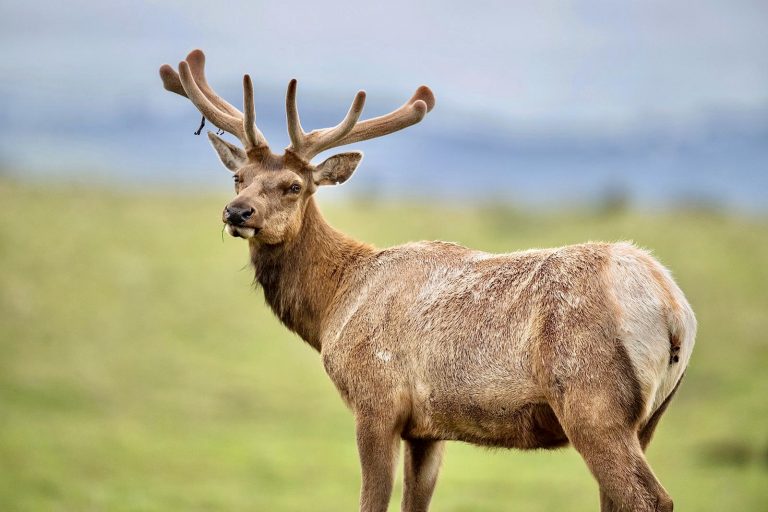
California is in the grips of a drought and the tule elk that inhabit the Point Reyes National Seashore are dying from thirst. In the past year, 18 of the remaining 420 tule elk have died because of a lack of access to drinking water while the National Park Service continues to deny initiatives to bring the elk much needed water. A plan by activists to bring the elk 150 gallons of water was thwarted by the National Park Service who denied the activists entry and destroyed the water intended to save the tule elks from dehydration.
The point of a National Park is to highlight and preserve local wildlife and yet the Point Reyes National Seashore is surrounded by an 18 foot electrical fence that prevents the tule elk from accessing much needed water during these devastating droughts. The fence was only put up at the request of the animal ag industries that operated within these "wilderness areas" once again proving that profits from the animal agriculture industry thwart the importance of conservation and species survival. The tule elk are confined to a space that doesn't provide them with what they need to survive while the animal ag industries pollute and destroy their habitat. It's absolutely despicable that a National Park is operating under these pretenses.
The National Park Service released a management plan in September that very clearly boosted the animal ag within the park at the expense of the tule elk. The land leases were reportedly increased from 5 to 20 years which included increased land production and the permission to shoot and kill tule elk. These allowances work directly against the purpose of a National Park which is to conserve and protect wildlife and allow it to flourish without interruption from humans, like animal agriculture for example. When that fence was erected, it became abundantly clear that the National Park Services was heavily protective of the animal agriculture industry and could care less about the survival of the tule elk. The National Park Service is corrupt and the tule elk will die off in their entirety unless something is done to better protect them. What good is a national park that is monitored by animal agriculture lobbyists? HAPPY VEG
0 Comments
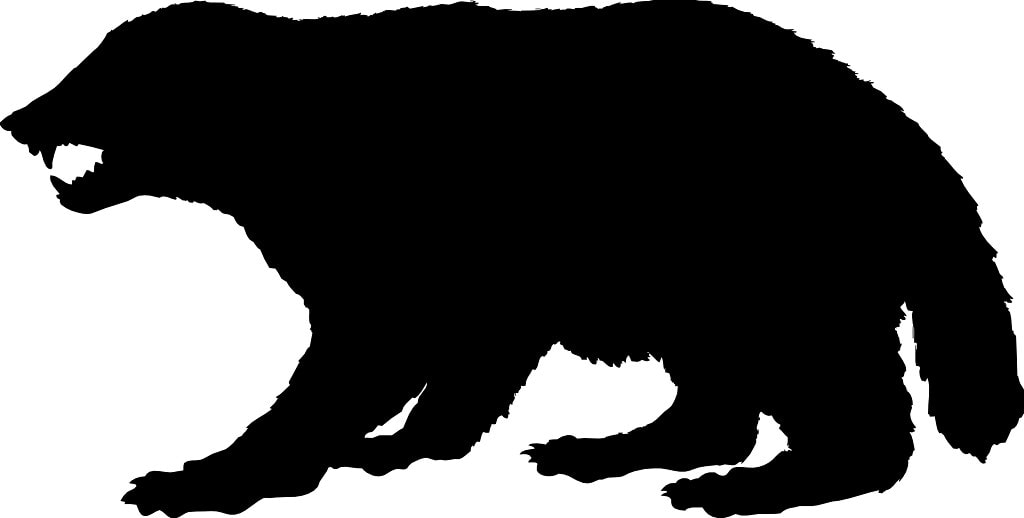
The United States Fish & Wildlife Services is facing a new round of lawsuits over their decision to deny protections to wolverines for the second time after a similar lawsuit from the same advocacy groups in 2016 forced them to reevaluate their decision. The lawsuit aims to hold the USFWS accountable for their denial of issuing ESA protections to wolverines whose numbers sit somewhere around 300 remaining in the wild.
in 2016, a federal court sided with advocacy groups calling the decision to deny wolverines protections both , "arbitrary and capricious". The federal court continued that the responsibility of the USFWS was to take action as early as possible to protect animals and biodiversity and that the time was now for wolverines. 4 years later and the USFWS once again denied protections to wolverines despite overwhelming evidence that without these protections, wolverines will undoubtedly go extinct. This next round of lawsuits simply aims to hold the USFWS accountable for their responsibilities which are to protect vulnerable biodiversity and prevent extinctions.
One thing I'm finding particularly frustrating about the USFWS is the repeated stories I'm reporting on regarding them being sued by conservation or advocacy groups. This is an organization that is responsible for preventing extinction & identifying perils endangered animals face and working towards solutions that aid in conservation. If this is their responsibility, why are they constantly being sued because of their inaction and lackluster approach to conservation? Why do we have to slap lawsuits on an organization that is supposed to be protecting vulnerable species when this should be second nature to them by this point? I've reported on at least 6 lawsuits in the past year that the USWFS was slapped with over their negligent approach to conservation. Species like grey wolves, red wolves, giraffes, and now wolverines have fallen under the USWFS's radar whilst suffering tremendously in the wild. Their lack of action has put these species further at risk when they should instead be taking action to protect them. They should be our first line of defense for imperiled species and yet without being sued, they almost appear to be completely oblivious to the struggles that endangered animals face. I'm sorry, but with any job comes responsibilities and if you fail to meet the requirements of those responsibilities countless times, when do we investigate the organization itself? Endangered animals need an organization that is quick and responsive in their approach to conservation. Endangered species need swift action, not lawsuits that drag on as they continue to plunge towards extinction. The USFWS is rotten and they have failed in their responsibilities too many times to be trusted any longer. There are 7 red wolves left in the wild. There are 300 wolverines left in the wild. Urgency is the only thing we need right now, not an organization that seems to turn its back on the same endangered species it's tasked with protecting. The USWFS is a complete and utter failure. HAPPY VEG The Trump administration has been outright hell for animals and animal welfare. His administration is pushing for oil drilling in the arctic, allowed the import of lion and elephant trophies, and has sat on the sidelines while animals like red and grey wolves plunge towards extinction. In another demonstration of complete negligence and lack of empathy towards endangered mammals, the Trump administration has approved seismic airgun blasting in search of oil off the Gulf of Mexico. This approval means devastation for the endangered whales and marine life that call the Gulf of Mexico home.
While the world moves towards cleaner, greener energy initiatives, it's incredibly negligent and irresponsible to be opening up more of the world's untouched habitats in search of oil. Our endless search for more resources is destroying our planet rapidly and helping along the mass extinction event unfolding around us. Every single species in an ecosystem is crucial to the survival of every other species, they are intertwined. If we help along extinctions, other species will feel the effects of these extinctions, not to mention the habitat itself which will suffer as a result of these blasts.
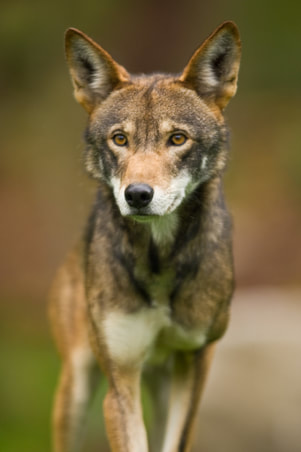
The only hope we have here is President-elect Joe Biden possibly overturning this allowance when he is sworn in. If these blasts commence, Bryde whales will go extinct, the ecosystem will be destroyed, and other innocent marine life will die. We musn't allow these blasts to destroy the Gulf of Mexico's ecosystem. HAPPY VEG The United States Fish & Wildlife Services is once again facing lawsuits over their utter failure in protecting the remaining seven red wolves left in the wild. The lawsuit claims that the USFWS has violated the Endangered Species Act by hiding behind illegal agency policies that are barring them from using proven management measures to save red wolves. In fact, this negligence stretches all the way back to 2018, when the USFWS was found to have violated the ESA by a federal court for their failure to properly manage red wolf endangerment. This new lawsuit makes it abundantly clear that the USFWS is rotten to the core and is no longer capable of making decisions from an ethical and moral standpoint.
When an organization that is designed to address the perils endangered animals face is blatantly working against their own ambitions, how can we have faith in said organization? I've reported on a minimum of 10 lawsuits that the USFWS has received because of their continued failures in protecting endangered animals. I'm curious as to how they are held accountable if they're constantly facing lawsuits like, if you're only job is to manage wildlife populations and said wildlife is plunging towards extinction, when does someone step in and take over? It appears if we keep putting our faith in the USFWS, animals like red wolves will undoubtedly go extinct due to the utter irresponsibility of the USFWS.
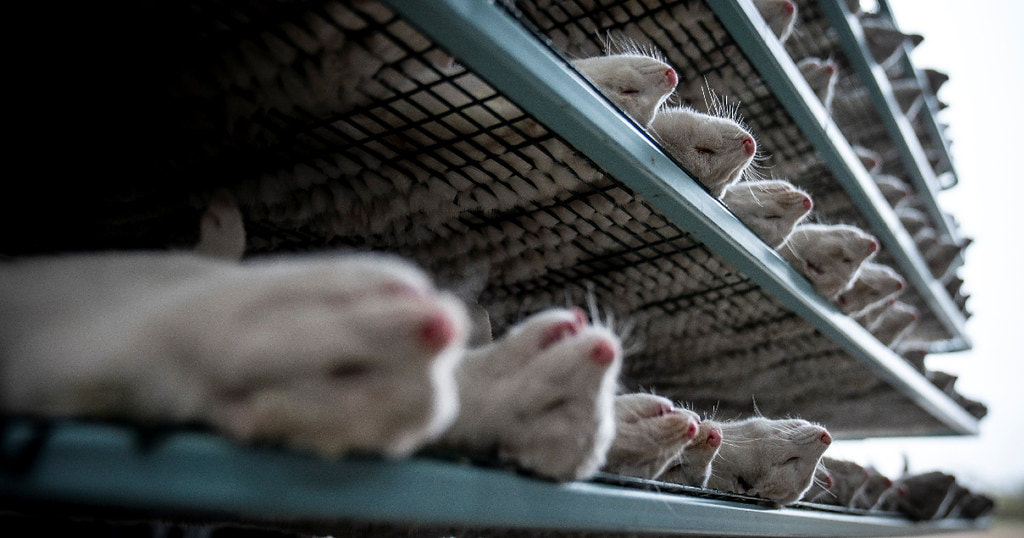
There are 7 red wolves left in the wild in the US. 7!!! This situation calls for serious urgency, not roadblocks and negligence from an organization that has repeatedly failed animals. It frightens me to think that the conservation of endangered species falls into the hands of an organization that has to be sued repeatedly to do their jobs. It frightens me for the future of the animal kingdom as we are facing a mass extinction event. The USFWS is a failure all the way around and someone needs to investigate an perhaps start firing and filling these positions with people who genuinely care about the survival of endangered animals. HAPPY VEG A few weeks back, I reported on a story from Denmark regarding minks throughout the country becoming infected with the coronavirus. The minks were then found to have mutated forms of the virus that were transmittable back to humans. This mutated form of the virus would make vaccination difficult and spread rapidly through the roughly 1, 100 mink fur farms around the country. Knowing how potentially dangerous this situation could become, the Danish Government made a rushed decision to cull all 17 million mink on fur farms throughout the country. This rushed and poorly planned out cull of minks has proven to be a disaster around every corner, and countries like the United States and Canada who've also seen mink fur farm outbreaks should take note of the disaster that has ensued.
It is abundantly clear that this rushed decision was made without the proper steps to analyze whether this was an environmentally sound idea. Now, as bodies push their way through graves, Danish officials must now address their mistakes and look to dispose of the mink in a more environmentally responsible way. If this had been handled appropriately the first time, there would be no need to exhume 10, 000 tons of carcasses only to dispose of them once again. As you can see, there were mistakes and mishandlings of this situation around every corner. As the United States and Canada report outbreaks of coronavirus on mink fur farms, it is imperative that we learn from these mistakes but also address the root cause of these outbreaks, the cruel and exploitative fur farming industry.
The reason diseases and virus' spread through these facilities is because of the abhorrent conditions these animals are kept in. First of all, they are densely crammed together making the spread of a virus incredibly effective and swift. Secondly, various reports and investigations have turned up images of minks covered in their own urine and feces, some riddled with blisters or rashes without veterinary care. Hygiene plays a big part in the spread of virus' and it's obvious that hygiene is not the first priority on these fur farms. Lastly, mink have proven to be incredibly susceptible to virus' and diseases, and yet we continue to farm them for their fur without regard for the disastrous outcomes that could ensue. We don't need any more signs or signals that we must end the cruel practice of mink fur farming. Hundreds of millions of dollars in revenue were lost in Denmark. Tens of millions of innocent mink were abruptly slaughtered and improperly disposed of leading to environmental and economic setbacks. The coronavirus mutated in minks making it especially dangerous if passed back to humans. These are all very telling signs that we must not continue to ignore. Mink fur farming is unsafe, unhygienic, and rooted in exploitative cruelty that has now turned on us. If we don't take this opportunity to stop mink fur farming, this will not be the last time we witness these sorts of mass culling / superspreader events and it will be entirely our own fault. Our selfishness will put us in this position again if we do not recognize our grievous errors and end our commitment to mink fur farming across the globe. HAPPY VEG Just the other day, I reported on the Big Cat Safety Act that is on track to become law in the United States. The Act would see private ownership of big cats banned as well as the usage of cubs at roadside facilities for tourist selfies. The Act is a crucial step in protecting big cats and committing to animal welfare & conservation for big cats. One might assume that this signifies a true commitment to conservation and while it is an excellent start, it's simply not enough when there are so many other areas of conservation that the US and the rest of the globe are failing in, particularly with big cats. In my years reporting on animal welfare across the globe, one thing I've noticed is the blatant hypocrisy that seems to surround conservation & animal welfare. Looking at the Big Cat Safety Act in the US, you would think that the US was wholly committed to the conservation of big cats. Unfortunately, the US continues to promote and participate in trophy hunting of Africa's most imperiled and endangered species. Another example would be the UK and the banning of the production of fur. It was celebrated when the UK announced a commitment to improving animal welfare and banning the production of fur was part of that initiative. However, while they no longer produce fur, they happily import and sell it. Can you guys see where there's hypocrisy rooted even in conservation and animal welfare? An area that should be black and white in terms of what's expected and yet there's hypocrisy and confusion around every corner.
Big cats across the globe are dying. Elephants, rhinos, giraffes, whales, sharks, pangolins, chimpanzees, gorillas etc., these animals are all facing the possibility of extinction. We've decimated their populations in the past 100 years to alarmingly low numbers. Our "efforts" to conserve them will be in vain if we are not committing to conservation in its entirety. We need to immediately tackle the perils that these animals are facing in the wild. These perils include;
With all of the perils endangered animals on our planet face because of us, small steps towards conservation are going to be too little too late. We need to come together globally and commit to improved animal welfare and conservation, otherwise we can say goodbye to hundreds of thousands of recognized species in our lifetime and we'll only have ourselves to blame.
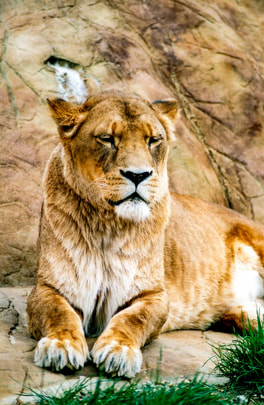
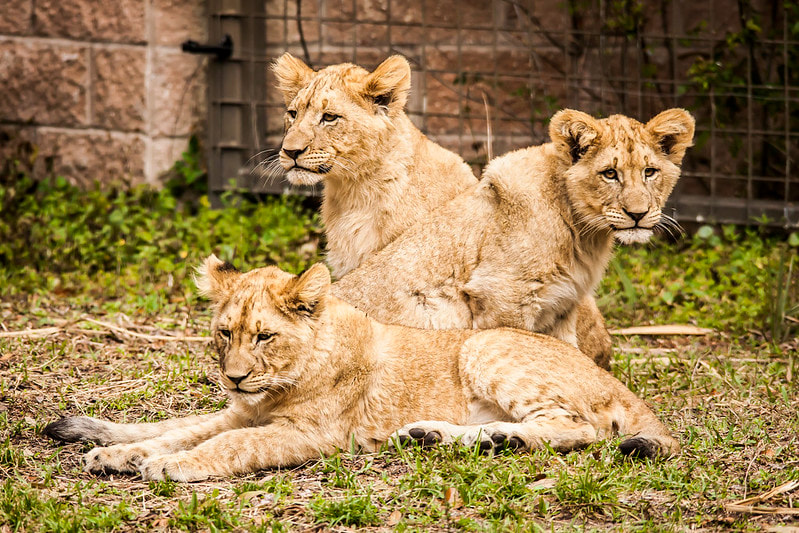
HAPPY VEG The Big Cat Public Safety Act has been approved by the US House of Representatives and will now head to the Senate for final approval. If the Act is approved, it will be a glimmer of hope for big cats throughout the United States living in exploitative and neglectful situations. The Act would effectively ban the ownership of big cats as pets while also tackling the usage of cubs by roadside zoos for selfies and other touristy attractions. Big cats are some of the most imperiled species on our planet. Almost every variety of big cat faces unparalleled challenges in the wild ranging from habitat loss to illegal poaching. All of the perils big cats across the globe face can be directly traced back to human interference. Trophy hunting, sport hunting, illegal poaching, habitat loss due to continued human development, human & livestock conflict resulting in death, all of these perils are a direct result of human interference. Worst of all, the exploitation of big cats at unaccredited roadside establishments that perpetuate a cycle of exploitation and cruelty.
At a time when big cats face relentless perils to their survival in the wild, the last thing we should be doing is exploiting them for profits. Banning private ownership and the exploitation of cubs is a great start, but a true commitment to protecting and conserving big cats will require significantly more action. Trophy hunting is another area that must be addressed if a true commitment to big cat conservation is to be achieved. The United States continues to allow trophies into the country from animals that are endangered in the wild which includes big cats. It's utterly hypocritical to fight for big cats while simultaneously allowing the slaughter of big cats in the wild to the highest bidder. If we're going to protect these big cats from extinction, it will require a complete overhaul of our approach to animal welfare. We cannot fight for big cats unless we're going all the way, otherwise our efforts are in vain.
This Act is imperative to protecting big cats but it is only a start. We must ban trophy and sport hunting of endangered animals. We must only allow big cats in zoos where conservation is the goal. We must ban the import of trophies from endangered animals like big cats. We must funnel resources into tackling illegal poaching. As I said, if we're going to truly commit to big cat conservation, this is only the beginning of what is needed. I will update this story once more information becomes available. HAPPY VEG The UK announced plans to ban the cruel practice of live animal exports for slaughter among other animal welfare improvements the country aims to make now that they are out of the EU. This move marks a commitment from the UK to improve animal welfare standards across the country. Other intended areas of improvement include the banning of primates as pets and tackling the illegal puppy / dog trade. The UK would be the first country in Europe to enact a ban on the export of live animals for slaughter. The UK sent roughly 6, 400 animals to slaughter throughout Europe in 2018.
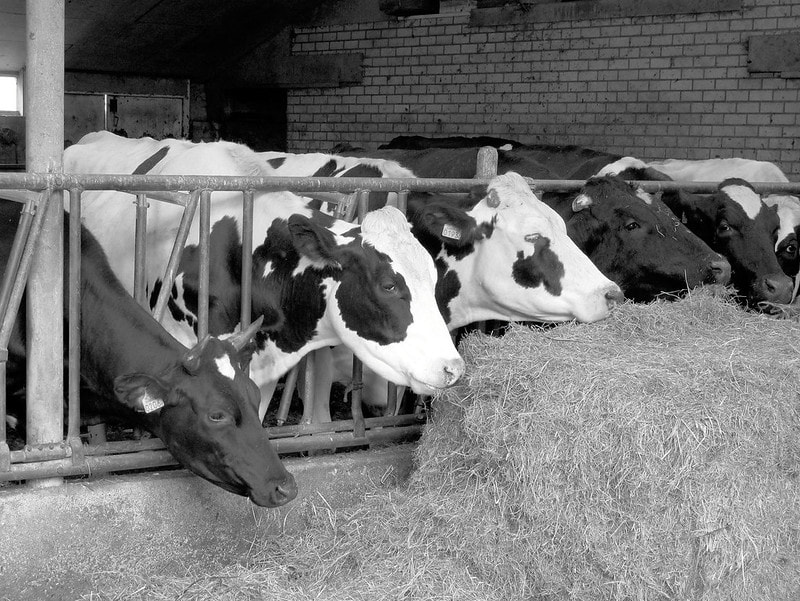
These perils don't include some of the worst scenarios that have been reported in the past. Trucks carrying live animals overturning, killing hundreds - thousands of innocent animals. Boats capsizing, plunging thousands of defenseless animals into the ocean to drown. These animals endure relentless suffering throughout their short lives leading up to slaughter which makes live animal exports especially degrading, as the conditions they must endure only get worse once the journey commences. Our disregard for the well being of animals is wholly evident when it comes to live animal exports. Putting animals in that position knowing the perils they will undoubtedly face is neglectful, cruel, and compassionless behaviour. The government is also working towards other animal welfare improvements for the transport of animals. These improvements include;
Live animal exports are undeniably cruel and put animals in very compromising positions that endanger their lives. If the UK becomes the first country in Europe to end this cruel practice, my hope is that it will inspire other countries to improve their welfare standards for animals forced to make these horrific journeys. At the very least, the UK is making a commitment to improving animal welfare and we must applaud any effort made across the globe that will inevitably help animals.
HAPPY VEG The Danish Government is in the process of drafting new law proposals that would effectively ban mink fur farming until the end of 2021. The proposal comes off the heels of the discovery of a mutated form of coronavirus discovered in minks that has since prompted the Danish government to cull anywhere between 15 and 17 million minks throughout the country. The mink fur industry in Denmark is the largest in the world and supplies 40% of the world's mink pelts.
The proposed ban on mink fur farming until the end of 2021 gives Denmark an opportunity to investigate other opportunities for revenue that are safer and less exploitative. The country could offer subsidies and grants to fur farmers to get into other farming opportunities which I believe they would be interested in, especially after the loss of every mink in the country. These farmers have now lost everything and frankly, this might not be the last time something like this happens. Is it more lucrative to start from scratch at the end of 2021 and begin rapidly breeding millions of mink for fur, or should Denmark be looking at other initiatives during this period of mink fur bans?
This massive cull of the nation's minks is an opportunity for Denmark to invest in other farming opportunities and commit to ending fur farming once and for all. As I said, this could happen again at any time, resulting in more culling and more loss of income and work for fur farmers. How many times can these farmers truly bounce back from losing everything? This isn't even just about the farmers, it's about the millions of innocent mink who will be slaughtered simply for existing during a pandemic. It's about the suffering of these animals on fur farms and the horrific cruelty and exploitation they endure during their short lives prior to being skinned. Fur farming is on the way out as more big name labels turn their backs on fur. It's clear the industry is dying out, and this mink cull is Denmark's chance to get out of an industry that is fizzling out. In my opinion, if we're going to ban fur farming until the end of next year, why not just ban it altogether and focus immediately on how to help farmers with the financial burden of losing all of their mink, and help them to convert their facilities to other farming options. The cost of breeding and restocking nearly 17 million mink has to be astronomical, and the opportunity for the next pandemic to infect minks again is always present. 15 + million minks are going to die because there are still some of us on this planet that support the breeding, captivity, and skinning of innocent animals. 15 million innocent lives lost at the hands of an industry that exploits cruelty to animals to the highest degree. It's hard to say what the year will bring, but I'd love to see Denmark direct their resources to other farming initiatives rather than head right down the same path that lead them here. I'd also love not to see 15 million innocent anythings have to die. Just ban fur already. What do you guys think? Is there any hope that Denmark would decide to ban fur instead of restarting the industry at year's end? HAPPY VEG |
Stay educated and remain involved in animal welfare. Together, we can all make a difference!
Archives
April 2024
Categories |
 RSS Feed
Proudly powered by Weebly